How to Remove Wallpaper Safely and Prep for Fresh Paint
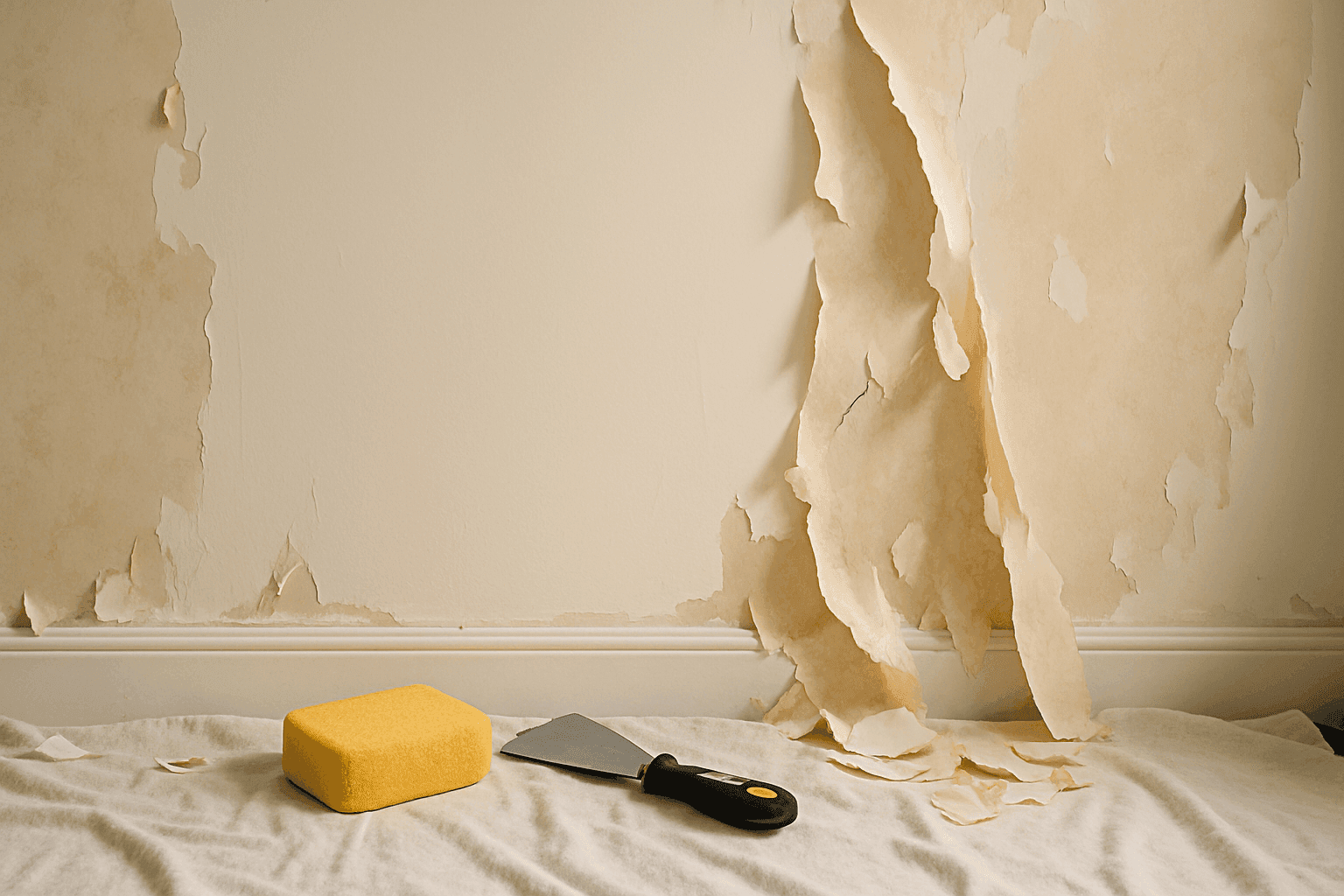
Stripping away wallpaper can feel like opening a time capsule—sometimes it’s a quick reveal, sometimes it’s a stubborn relic that just won’t budge. Whether you’re dreaming of bold Accent Walls near you or just a clean, modern look, starting with a properly prepped wall is everything.
At Capital Painting, we’ve seen it all. Years of paint and paper layered like a mille-feuille. Water stains, crumbling drywall, even the mysterious “what’s that glue?” moments. Follow this practical guide to make wallpaper removal safe, thorough, and a perfect setup for your next painting project.
Assessing Your Wallpaper
Before you grab a scraper, pause. Every wall is its own puzzle.
Types of Wallpaper:
- Peel-and-stick: Think of this as the sticky note of wall coverings. Easiest to remove.
- Traditional paper: Often needs more coaxing with water or steam.
- Vinyl-coated: Has a plastic feel; moisture doesn’t penetrate easily.
- Fabric-backed: Durable, but can leave glue behind.
Test First:
Find a loose corner. Gently tug. If it peels off clean, you’re in luck! If not, more prep is needed.
Watch for Lead Paint:
If your home was built before 1978, peeling paint underneath may contain lead. The EPA’s Renovation, Repair and Painting (RRP) program offers guidelines. When in doubt, consult a certified professional.
Removal Methods 🧤
Unrolling old wallpaper can be like unpeeling a stubborn price tag—patience pays off. Here’s how to do it right:
Gather Tools
- Drop cloths or old sheets
- Painter’s tape
- Spray bottle with warm water or wallpaper remover solution
- Putty knife or plastic scraper
- Scoring tool (for vinyl or painted paper)
- Sponge and bucket
- Safety goggles and gloves
Step-by-Step Process
-
Protect Surfaces:
Cover floors, baseboards, and outlets. -
Score the Paper (if needed):
Lightly perforate vinyl or painted paper so water can penetrate. -
Spray & Soak:
Mist a section with warm water or remover solution. Wait 10–15 minutes. -
Gently Scrape:
Start at seams or loose edges. Use a plastic scraper to avoid gouging drywall. -
Repeat:
Work in small sections. Don’t rush—let the solution do the heavy lifting.
Pro Tip: If you hit stubborn patches, move to steam. Steamers, available for rent, soften glue for easier removal.
Dealing with Stubborn Adhesive
Sometimes, the wallpaper comes off but leaves a sticky ghost behind. Here’s how to evict it:
- Warm Water & Sponge:
Most adhesives soften with a soak and scrub. - Vinegar Solution:
Mix equal parts white vinegar and water for a gentle, effective remover. - Commercial Adhesive Removers:
Use as directed; check ventilation. - Don’t Over-Saturate:
Too much water can damage drywall. Wring out your sponge well.
If you see bubbling, crumbling, or dark stains, pause. Water damage or mold means it’s time for repair—and possibly a professional opinion.
Wall Repairs
Once wallpaper and adhesive are history, inspect your walls. They might look a little worse for wear, but it’s fixable.
- Filling Holes & Gouges:
Use lightweight spackle for small dings. For bigger holes, patch with joint compound. - Sanding:
Once dry, sand smooth with fine-grit paper. - Prime Bare Spots:
Any exposed drywall or repaired areas need primer. This prevents flashing and ensures your new paint sticks.
Drywall Safety: Wear a dust mask while sanding. The CDC recommends good ventilation and protective gear when working indoors.
Final Paint Prep 🎨
You’re almost there! A little patience now pays off with a flawless finish later.
Checklist Before Painting:
- Wipe down walls to remove dust.
- Let everything dry completely.
- Use painter’s tape to protect trim and outlets.
- Prime the wall, especially over patched areas or where adhesive lingered.
Choosing eco-friendly primers and paints can improve indoor air quality and reduce VOCs. Ask your paint supplier about low-odor and sustainable options.
Quick Safety Checklist
- Turn off electricity to outlets and switches you’ll be working near.
- Ventilate the room—open windows and use fans.
- Wear gloves, goggles, and a dust mask.
- Test for lead paint in homes built before 1978.
DIY vs. Call a Pro
Some wallpaper comes off like peeling a banana. Other times, it’s more like scraping burnt cheese off a pan.
DIY is doable when:
- The wallpaper is modern, peelable, or only in a small room.
- You’re comfortable patching minor wall damage.
Call a pro if:
- There’s extensive wall damage, mold, or lead paint risk.
- You want flawless prep for Accent Walls near you or high-traffic areas.
- The wallpaper is layered, painted over, or covers textured surfaces.
A professional painting team like Capital Painting has specialized tools and techniques to minimize damage and speed up the process.
What Pros Do On Arrival
When professionals walk in, they see more than wallpaper—they see what lies beneath.
- Assess wall condition and identify risks.
- Test for lead or asbestos if necessary.
- Use commercial-grade removers and steamers.
- Repair and prime walls for a seamless paint finish.
- Clean up dust and debris, leaving your home ready for painting.
Prevention & Maintenance 🛡️
After your fresh paint job, you want it to last.
- Avoid wallpapering over moisture-prone areas.
- Use high-quality primers before painting.
- Maintain low humidity to prevent peeling.
- Clean painted walls gently with a damp, soft cloth.
Costs & Time Factors
Wallpaper removal costs and time can vary based on:
- Wallpaper type and layers
- Room size and ceiling height
- Wall condition (repairs needed)
- Whether you DIY or hire professionals
Most single rooms take a weekend for DIYers. Pros can often finish faster, especially for multiple rooms or extensive repairs.
When It’s an Emergency
Sometimes, wallpaper hides bigger problems—like mold, water damage, or crumbling drywall. If you notice a musty odor, stains, or soft spots in the wall, stop and seek professional help immediately. Lingering moisture can lead to health risks and structural issues.
FAQ
How can I tell if my wallpaper is strippable or glued?
Test a corner. Strippable wallpaper peels away easily. If it tears or resists, it’s likely glued.
Do I always need to prime before painting?
Yes, especially over patched or previously wallpapered areas. Primer ensures even color and prevents stains from bleeding through.
Can I paint over wallpaper instead of removing it?
It’s possible, but not ideal. Painting over wallpaper can lead to bubbling and peeling long-term. For best results, remove it first.
Is wallpaper removal messy?
It can be, especially with older glue. Use drop cloths and clean as you go.
Local/Seasonal Considerations
Wallpaper removal is best tackled in mild, dry conditions. High humidity slows drying and can cause new paint to cure unevenly. In colder months, keep the room warm and ventilated. If you live in an area with older homes, always check for lead-based paint.
Ready for a Fresh Start?
Wallpaper removal and painting can transform your home—but only if you start with a smooth, safe surface. If you want peace of mind and a perfect finish, bring in the team at Capital Painting. We handle the messy work, so you can enjoy your new space.
Call Capital Painting now — or reach us anytime at 855-592-8545 .