Deck Staining vs. Painting: Pros, Cons & Best Practices
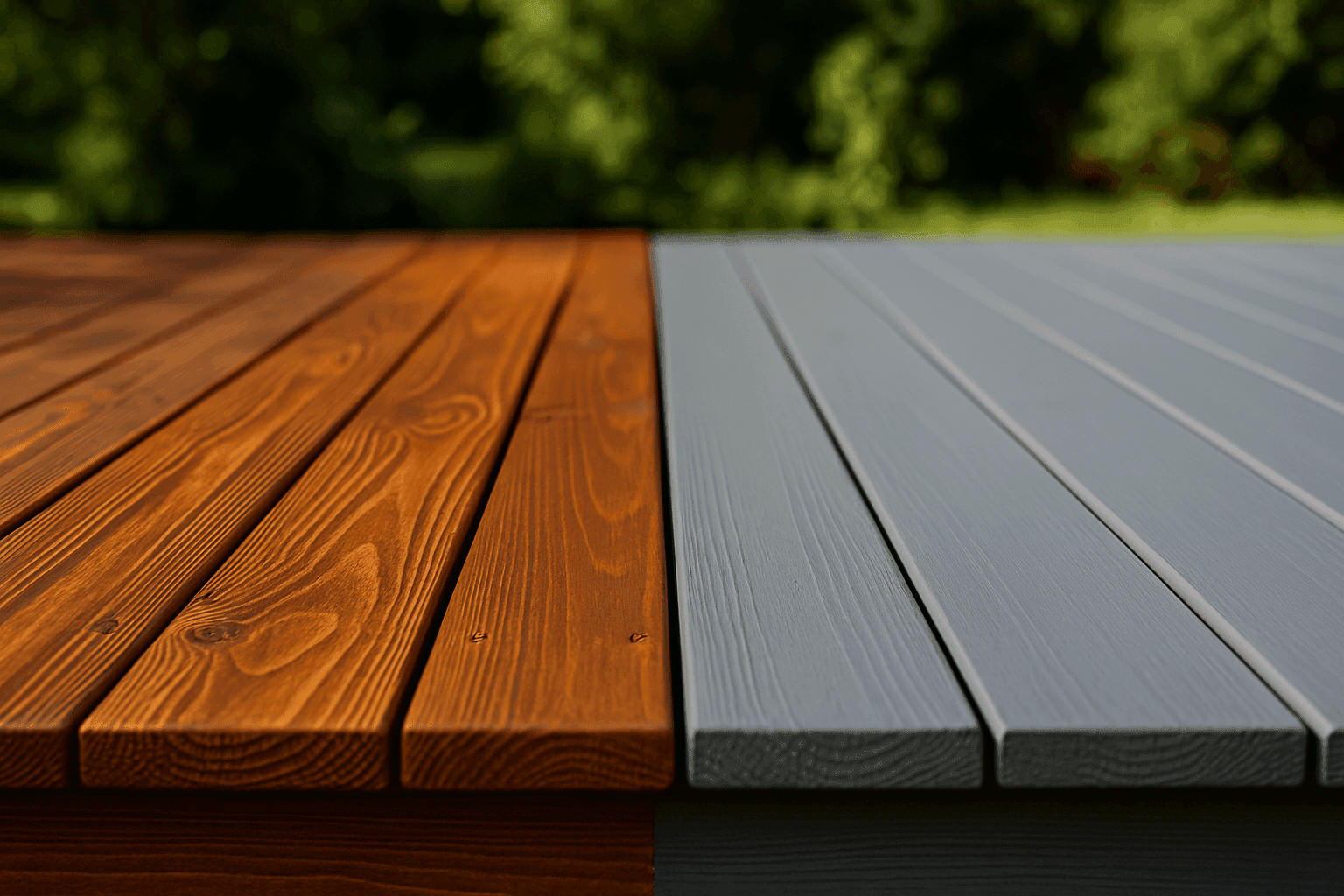
Does your deck look tired, faded, or simply not like it used to? You’re not alone. Homeowners everywhere face the classic question: should you stain your deck or paint it? The answer isn’t always obvious. Each approach has its own look, lifespan, and maintenance needs. At Capital Painting, we’ve revived hundreds of decks—each with its own story.
Let’s break down the key differences, what really lasts, and how to make your outdoor space a place you love to spend time.
Deck Staining Benefits
Deck stain is like sunscreen for your deck—protecting the wood while letting its natural beauty shine through. Here’s why many homeowners go this route:
- Natural Look: Stain enhances the grain and character of your wood, never hiding it.
- Penetration: Stain seeps into the wood, providing deep protection against moisture.
- Peel Resistance: Unlike paint, stain doesn’t form a thick film, so it rarely peels or chips.
- Easier Touch-Ups: Re-staining is straightforward—just clean and reapply as needed.
- Variety: From clear to deep colors, stains offer a wide range of looks.
But stain isn’t perfect. Light stains need more frequent reapplication. And on older, weathered wood, coverage can look uneven.
Pros and Cons of Painting
Painting a deck is like putting on a bold new outfit. It offers dramatic color options and a crisp, clean finish. But there’s a trade-off. 🎨
Pros:
- Color Freedom: Paint opens the door to nearly any hue—match your home, accent walls near you, or try something totally different.
- UV Protection: A solid paint layer shields against sun damage.
- Conceals Flaws: Perfect for hiding old stains, repairs, or mismatched boards.
Cons:
- Peeling & Cracking: Paint sits on top of the wood, so it’s more likely to crack or peel as boards expand and contract.
- Slippery When Wet: Some paints can create a slick surface—watch your step in rain or snow.
- Prep Time: Painting requires thorough prep. Skimp, and you’ll see problems fast.
- Harder to Maintain: Touch-ups can be tricky. If paint starts to fail, it often needs stripping before repainting.
Suitability by Deck Material
Not all decks are created equal. The type of wood or material you have plays a big part in what will work best.
- Pressure-Treated Pine: Responds well to both stain and paint, but stain is often preferred to let the wood “breathe.”
- Cedar & Redwood: These naturally beautiful woods deserve to be shown off—stain is usually the go-to.
- Composite Decks: Most aren’t meant to be painted or stained, but there are specialty products for rare cases.
- Old, Weathered Wood: Paint can hide years of wear, but only if the surface is solid and well-prepped.
Always check manufacturer guidelines, especially for newer composite materials.
Climate & Seasonal Impacts
Your local weather should guide your decision. Think of it like choosing a jacket—light or heavy, depending on the forecast. 🌦️
- Hot, Sunny Climates: UV rays break down both stain and paint, but paint generally holds its color longer.
- Wet, Humid Areas: Stain’s penetration helps resist peeling in damp climates. Mildew-resistant stains can be a smart choice.
- Cold, Freezing Winters: Freeze-thaw cycles can make paint peel faster. Stain flexes better with the wood.
Time your project for dry, mild weather. Avoid rain for at least 24–48 hours after application.
Pro Tips for Surface Prep
A beautiful, long-lasting finish starts with good prep. This step is make-or-break—don’t rush it.
- Clean Thoroughly: Power washing removes dirt, mildew, and old finishes. Let the deck dry fully before moving on.
- Repair Damage: Replace or secure any loose or rotting boards. Fill cracks and sand rough spots.
- Test for Old Coatings: If your deck was previously painted, test for lead paint—especially on homes built before 1978. Follow EPA guidelines for safe removal.
- Sand as Needed: Smooth surfaces help new stain or paint adhere. But don’t over-sand; you want some texture for grip.
- Mask Surroundings: Protect siding, plants, and walkways from drips and overspray.
A little patience here pays off in years of good looks and protection.
Safety Checklist
Before you start, take a moment for safety. Your home—and your health—matter.
- Wear gloves, eye protection, and a mask, especially when sanding or removing old paint.
- Use only products rated for exterior wood surfaces.
- Keep paint and stain containers sealed when not in use—fumes can be hazardous.
- Check for lead paint if your home was built before 1978 (per EPA recommendations).
- Protect kids and pets—keep them away from wet surfaces until fully dry.
Deck Staining vs. Painting: Costs & Time Factors
Budget is always a factor. Here’s what most homeowners can expect—without any sticker shock.
- Staining: Generally less expensive upfront. Most stains need to be reapplied every 2–4 years. Prep is simple if you keep up with maintenance.
- Painting: Costs more for paint and supplies. Prep is more intensive, especially if stripping old paint. A high-quality paint job can last 5–7 years, but repairs are trickier if problems arise.
- Labor: DIY saves money but takes time and energy. Professional services add cost but can extend the lifespan of your finish.
Add in the time for drying—usually 24–48 hours before heavy use. Rushing this step can undo all your hard work.
When It’s an Emergency
Sometimes, deck care can’t wait. If you see:
- Soft, spongy boards,
- Large, peeling areas of paint,
- Deep cracks or splintering,
- Evidence of mold, mildew, or rot—
Stop and assess before proceeding. These are signs of bigger issues that simple stain or paint can’t fix. You may need repairs, replacement, or even a safety inspection. The U.S. Consumer Product Safety Commission recommends regular checks for structural integrity.
DIY vs. Call a Pro
It’s satisfying to tackle a deck project yourself—if you have the time, tools, and patience. But some situations call for a professional touch:
- Large decks or multi-level spaces
- Extensive repairs or surface prep
- Need for lead paint removal (must follow federal guidelines)
- Desire for specialty finishes, like epoxy or textured coatings
A professional crew brings experience, product knowledge, and efficiency—plus, they handle disposal of old materials safely.
What Pros Do On Arrival
Ever wondered what happens when the pros show up? Here’s the general sequence:
- Inspection: Assess wood condition, previous coatings, and repairs needed.
- Surface Prep: Power washing, sanding, and filling cracks.
- Product Selection: Choose the right stain or paint for your deck’s age, material, and weather exposure.
- Application: Use brushes, rollers, or sprayers for even coverage.
- Cleanup: Remove tape, dispose of waste, and ensure a safe, tidy site.
Professionals often use commercial-grade products, which can mean longer-lasting results.
Prevention & Maintenance
A little care goes a long way. Here’s how to keep your deck looking fresh year after year:
- Sweep debris regularly—leaves and dirt trap moisture.
- Spot clean mildew with a gentle deck cleaner.
- Reapply stain or paint at the first signs of fading or wear.
- Inspect annually for loose boards or protruding nails.
- Place mats or pads under furniture to prevent scuffs.
Refer to manufacturer instructions for your specific stain or paint. The Paint Quality Institute and American Coatings Association offer helpful guidance.
FAQ: Deck Staining vs. Painting
Q: How long should I wait before staining or painting a new deck?
A: Most new wood needs to weather for several months—usually 3–6—so it “opens up” and accepts stain or paint. Always check manufacturer recommendations.
Q: Can I stain or paint over an existing finish?
A: Yes, but only if the surface is clean, dry, and in good shape. Otherwise, old coatings may need to be removed first.
Q: Which lasts longer—stain or paint?
A: Paint typically lasts longer in terms of color retention, but stain is easier to maintain and rarely peels.
Q: Is one option more eco-friendly?
A: Many stains and paints now come in low-VOC or zero-VOC formulas. Ask for eco-friendly paint options if this matters to you.
Local & Seasonal Considerations
Deck care isn’t one-size-fits-all. Your climate, season, and local building codes all play a part:
- Apply products only when temps are between 50°F and 90°F—too hot or cold affects curing.
- Avoid rainy or humid days—moisture can ruin the application.
- In regions with harsh winters, consider products rated for freeze-thaw durability.
- Always follow local regulations for paint disposal and lead safety.
For questions on best practices or product selection, consult resources like the Environmental Protection Agency (EPA) or your local building department.
Ready to bring your deck back to life? Call Capital Painting now — or reach us anytime at 855-592-8545 .