How to Prep Your Home for Interior Painting: Step-by-Step Guide
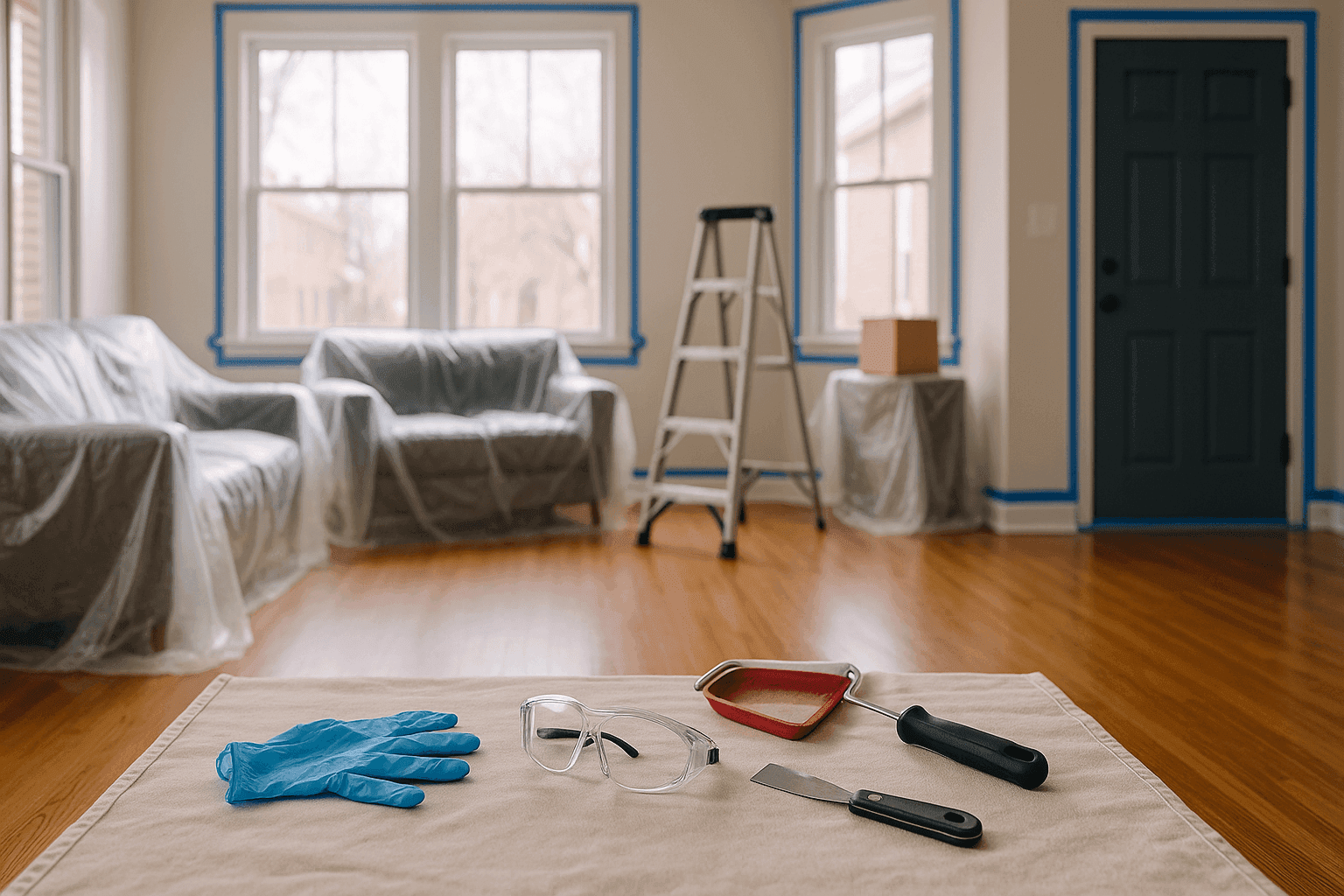
Is your living room overdue for a color refresh? You might be dreaming of bold Accent Walls near you or maybe just a crisp new coat for your kitchen. But before you break out the brushes, there’s a make-or-break step most homeowners overlook: proper prep.
Skipping preparation is like baking a cake without greasing the pan. You might still get results, but they won’t be pretty—or easy to fix. At Capital Painting, we know a flawless finish always starts with a well-prepped canvas.
Why Prep Matters 🖌️
Preparation isn’t just busywork. It’s the unsung hero behind every smooth, long-lasting paint job. Here’s why:
- Paint sticks better. Dust, grease, and old paint act like Teflon. Clean surfaces help new paint bond for years, not months.
- Fewer surprises. Proper prep reveals hidden issues—think hairline drywall cracks or sneaky water stains—that paint alone can’t cover.
- Crisper lines. Careful taping and priming deliver those sharp edges you see in magazine spreads.
- Saves money. Avoiding mistakes means less wasted paint and fewer touch-ups down the road.
Whether you’re tackling Accent Walls, Cabinet Painting, or a full Interior Painting project, the right prep makes all the difference.
Tools and Supplies Needed
Before you start, gather your essentials. A painter is only as good as their tools:
- Drop cloths or plastic sheeting (to protect floors and furniture)
- Painter’s tape (blue or green is ideal)
- Putty knife and spackle (for repairing holes)
- Sandpaper or sanding sponge (medium and fine grit)
- Mild detergent or TSP substitute (for cleaning walls)
- Screwdriver (to remove outlet covers and switch plates)
- Primer (especially important for new drywall, stains, or dramatic color changes)
- Paint tray, roller covers, and brushes
- Ladder or step stool
Optional but helpful:
- Power sander (for extensive repairs)
- Vacuum with brush attachment (for dust removal)
- Protective gloves and goggles
- Masking paper (for windows or trim)
- Moisture meter (to ensure walls are dry enough to paint)
Step-by-Step Prep Checklist
Let’s break prep work into clear, bite-sized steps. Follow these and you’ll set the stage for a paint job that wows.
1. Move and Cover Furniture
- Shift as much furniture out of the room as possible.
- For heavy or built-in pieces, move them to the center and cover with drop cloths or plastic.
- Don’t forget to cover floors—paint splatters travel farther than you think.
2. Remove Wall Hangings and Hardware
- Take down pictures, shelves, clocks, and hooks.
- Remove switch and outlet covers with a screwdriver for a neater finish.
3. Clean Surfaces
- Wash walls, trim, and ceilings with a mild detergent solution. Kitchen and bathroom walls may need extra degreasing.
- Allow everything to dry completely. Painting over moisture? That’s a recipe for peeling.
4. Repair Damage
- Fill nail holes, dents, and cracks with spackle or joint compound.
- Once dry, sand smooth until flush with the wall.
- For larger issues or water damage, consider professional drywall repair.
5. Sand and De-gloss
- Lightly sand glossy surfaces to help paint stick.
- Vacuum or wipe down dust after sanding—dust is a paint’s worst enemy.
6. Tape Off Trim and Edges
- Apply painter’s tape along baseboards, window frames, crown molding, and fixtures.
- Press tape edges firmly for crisp lines. No need to tape the whole room—just the spots where you want sharp separation.
7. Prime When Needed
- Use primer on repaired areas, bare drywall, or over dark/stained surfaces.
- Stain-blocking primers help hide marks and seal odors.
8. Check Temperature and Humidity
- Paint likes it dry (humidity under 60%) and mild (about 50–85°F). Too damp or too cold? Wait for better conditions.
Common Mistakes to Avoid
Even the most careful DIYers can trip up. Here’s what to watch out for:
- Skipping cleaning: Paint won’t stick to dirty walls.
- Rushing repairs: Cracks and holes left untreated become eyesores.
- Bad taping: Loose tape leaves messy lines; pressed-down tape delivers crisp edges.
- Painting over damp spots: Traps moisture and causes future peeling.
- Ignoring priming: Especially after patching or on stained/dark surfaces.
- Painting in poor weather: High humidity or extreme cold can ruin drying and adhesion.
Remember, a little patience upfront saves a lot of headaches later.
When to Call a Pro
DIY is rewarding, but it’s not always the best path. Consider calling Capital Painting if:
- Time is tight. Proper prep and painting take longer than most expect.
- Extensive repairs. Water damage, large cracks, or lead paint removal require specialized skills and safety precautions (see EPA lead safety guidelines).
- Specialty surfaces. Cabinet Painting, Mural Painting, or textured finishes need professional techniques and tools.
- Health and safety. Old homes may contain lead or asbestos, which are hazardous to disturb.
Our painters use industry-approved methods, the safest materials, and bring years of experience to every project.
Pro Techniques for Flawless Prep
Curious about what sets a pro job apart? Here are a few secrets:
- Dustless sanding: Using vacuum-attached sanders to keep air (and your lungs) cleaner.
- Surface testing: Checking for moisture or old paint adhesion before starting.
- Spot priming: Addressing repairs individually, not just blanket priming.
- Detailed masking: Using a mix of tape, paper, and plastic for perfectly protected fixtures and floors.
- Final inspection: Walking the space to spot flaws invisible at first glance.
These techniques aren’t just for show—they deliver a finish that stands the test of time.
DIY vs. Hiring a Professional
Ask yourself a few questions:
- Do you have the right tools (and patience) for every step?
- Are you comfortable working on ladders or around delicate fixtures?
- How much free time can you dedicate?
DIY can save you money—if you have time, patience, and some skill. But hiring pros like Capital Painting means peace of mind, especially for complex jobs or when perfection matters.
Costs and Time Factors
Prep work is a time investment, but it pays off in longevity and beauty. Here’s what to expect:
- Time: For one average-sized room, expect a weekend for DIY prep and painting (longer for repairs or specialty finishes).
- Supplies: Budget for quality tape, drop cloths, spackle, primer, and cleaning products.
- Mistakes: Skipped steps or rushed prep can double your time fixing errors.
Professional crews often move faster due to experience and better equipment. But don’t rush—slow and steady prep wins the race.
Local and Seasonal Considerations
Painting is a bit like gardening—it depends on the season. High humidity or cold temperatures slow drying times and can cause paint to bubble or peel. Spring and fall are often best for interior painting in many regions, but always check indoor humidity and temperature before starting.
FAQ
How long should walls dry after cleaning?
At least 24 hours, especially if using water-based cleaners or working in humid conditions.
Is priming always necessary?
Not for every wall, but always after repairs, on new drywall, or if switching from dark to light colors.
Can I paint over wallpaper?
It’s best to remove wallpaper for a smoother finish. Capital Painting offers safe, efficient wallpaper removal.
What about lead paint?
If your home was built before 1978, test for lead before sanding or scraping. Professionals follow strict EPA guidelines for safe removal.
Final Thoughts
Prepping your home for interior painting isn’t glamorous, but it’s the bedrock of a flawless, lasting finish. Whether you’re freshening up Accent Walls near you or giving cabinets a whole new look, a little prep goes a long way.
If you’re ready for a transformation—or if the prep feels overwhelming—help is just a call away.
Call Capital Painting now — or reach us anytime at 855-592-8545 .