Power Washing Before Painting: Why It Matters for Lasting Results
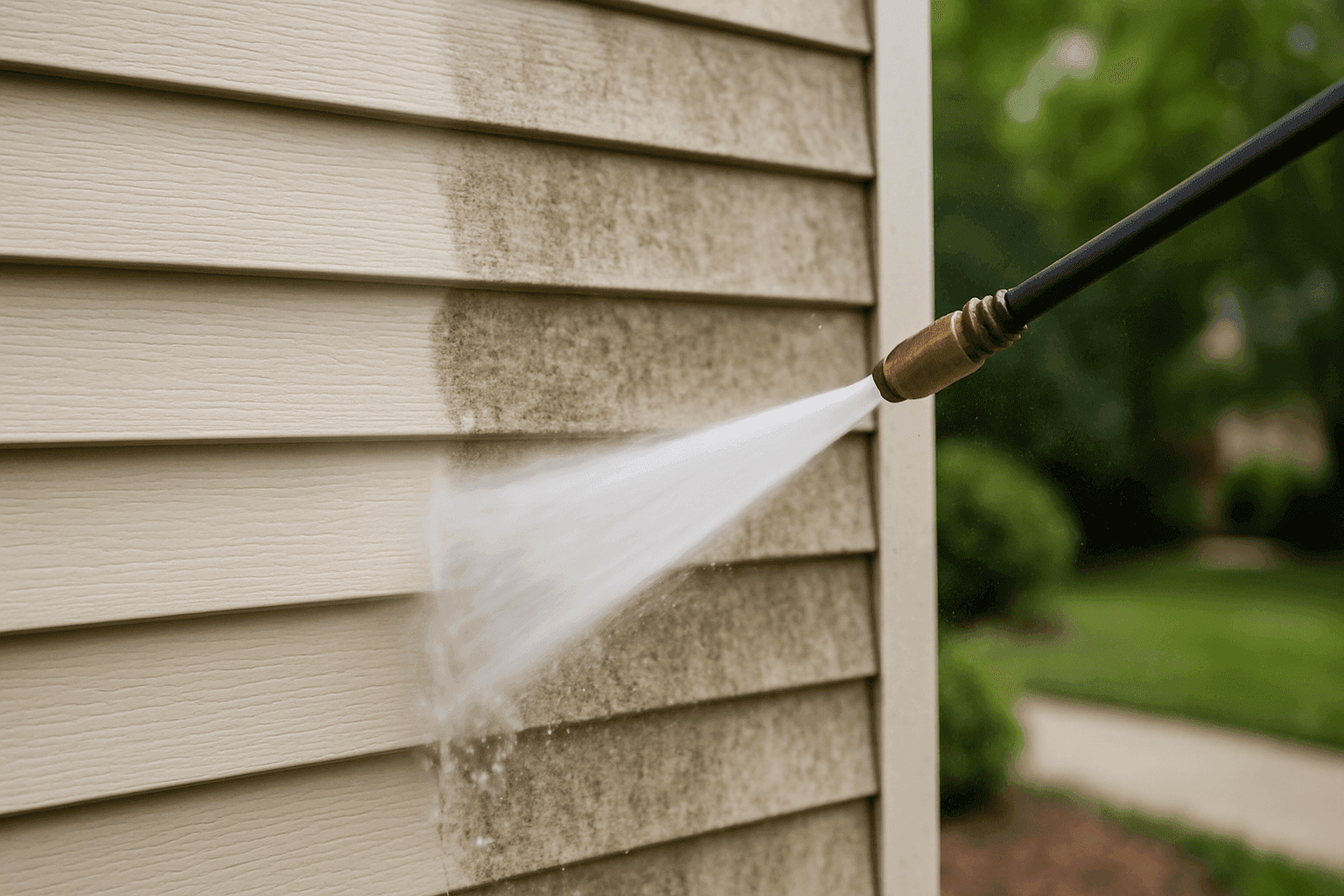
When you picture a freshly painted home, you probably think of bold colors and crisp lines. But before any paint brush even touches a wall, there’s a step many skip—and it’s the difference between a paint job that lasts years and one that peels within months.
At Capital Painting, we know that painting isn’t just about choosing the perfect accent walls near you or picking the latest color trend. It’s about building something that endures. And that all begins with power washing.
Benefits of Power Washing
Imagine trying to stick tape to a dusty window. No matter how hard you press, it won't stay. Paint works the same way. Dirt, mildew, pollen, and old paint cling to surfaces like invisible glue. Power washing clears that away—giving new paint a clean, solid foundation.
Why power washing matters:
- Better adhesion: Paint sticks best to clean, smooth surfaces. Power washing removes grime and loose paint, so your new coat bonds well.
- Longer-lasting results: Clean walls mean fewer cracks, blisters, and peels down the road.
- Healthier home: Removing mold, mildew, and allergens creates a safer space for your family.
- Enhanced curb appeal: Even before painting, a power washed surface looks fresher and brighter.
Skipping this step is like putting fresh clothes on without showering first. You might look clean, but you know what’s underneath.
Surfaces That Need Power Washing
Not every surface is the same, but most will benefit from a thorough wash before painting. Here’s where power washing shines:
- Exterior siding: Vinyl, wood, brick, and stucco all collect grime.
- Decks and fences: Dirt, algae, and old stains can keep new finishes from soaking in.
- Garage floors and driveways: Oil, salt, and residue build up over time.
- Concrete and masonry: Porous surfaces trap dust and mildew.
- Trim, molding, and soffits: These spots are often overlooked but matter just as much.
- Cabinets and furniture (outdoors): Especially when refinishing or painting for a new look.
Tip: Interior walls rarely require power washing, but professional surface prep—like dusting and gentle cleaning—remains essential.
Safe Power Washing Tips 🧤
Power washers pack a punch. Used right, they’re a painter’s best friend. Used wrong, they can damage wood, force water behind siding, or even shatter glass. Here’s how to stay safe and effective:
- Read the manual. Not all washers are created equal. Know your equipment’s PSI (pounds per square inch) rating—1,200–2,500 PSI is typical for home exteriors.
- Wear safety gear. Goggles, gloves, and sturdy shoes are a must.
- Mind your distance. Hold the nozzle 6–12 inches from the surface. Too close and you can etch wood or strip away more than intended.
- Use the right nozzle. A 25- or 40-degree tip is usually safe for siding and decks.
- Watch for lead paint. Homes built before 1978 may have lead-based paint. Reference EPA’s Renovation, Repair and Painting (RRP) guidelines for handling safely.
Common Mistakes (and How to Avoid Them) ⚠️
Even simple mistakes can ruin your prep work. Here’s what to watch out for:
- Skipping a test spot. Always test a small area first to avoid damage.
- Using too much pressure. This can gouge wood, strip caulk, or force water into cracks.
- Ignoring weather. Don’t power wash right before painting if rain is in the forecast. Surfaces need time to dry—usually 24–48 hours.
- Missing hidden mold. Some stains only show up when wet. Treat with a mold remover if needed.
- Not protecting plants and outlets. Cover landscaping and seal electrical outlets before starting.
When to Hire a Pro 🧑🔧
DIY power washing can be tempting. But sometimes, it’s smarter (and safer) to call in trained professionals like Capital Painting:
- Two-story homes: Working on ladders with pressurized water is risky.
- Delicate surfaces: Historic brick, old wood, and specialty coatings require a gentle touch.
- Lead paint concerns: Professionals are certified to handle hazardous materials safely.
- Tight timelines: A pro team is efficient—saving you time and stress.
Professional painters also invest in commercial-grade washers, certified training, and insurance. We follow Occupational Safety and Health Administration (OSHA) guidelines for equipment and fall protection.
Equipment Standards and Safety
At Capital Painting, every project starts with a safety check. Our teams use pressure washers with adjustable PSI and built-in backflow preventers. Hoses and fittings are regularly inspected for leaks or wear.
We always:
- Use ground fault circuit interrupter (GFCI) protection on all outlets.
- Set up warning signs and barriers when working in public areas.
- Wear hearing protection when using gas-powered units.
Safety isn’t just a checklist—it’s how we protect your home and our crew.
How Improper Cleaning Leads to Paint Failure
Skipping proper cleaning is like painting over a muddy wall. Here’s what can happen:
- Peeling and blistering: Moisture and dirt trapped under paint break the bond.
- Stains bleeding through: Mold, mildew, and tannins can discolor fresh paint.
- Patchy finish: Paint can dry unevenly or look streaky.
- Shortened lifespan: You’ll be repainting in months, not years.
According to the Painting Contractors Association (PCA), up to 80% of paint failures are due to poor surface preparation. Power washing is the first line of defense.
DIY Power Washing vs. Professional Service
If you’re handy, you can rent a power washer and try it yourself. Here’s what to consider:
DIY:
- Lower cost, but plan on extra time for setup and learning curve.
- Safety risks if you’re not comfortable with ladders or power tools.
- May not achieve deep cleaning needed for long-term results.
Professional:
- Fast and thorough.
- Equipment suited to each surface (from decks to garage floors).
- Pros know how to spot hidden issues like rot or damaged caulking.
- No risk of accidental damage to your property.
Proper Power Washing Steps
Want to try it yourself? Follow these steps for the best results:
- Clear the area: Move furniture, grills, and potted plants.
- Cover nearby fixtures: Protect lights, outlets, and delicate landscaping.
- Pre-treat stains: Use a mild detergent or mold remover on stubborn spots.
- Start from the top: Work downward so dirty water doesn’t drip onto cleaned areas.
- Rinse thoroughly: Leftover soap or dirt can ruin paint adhesion.
- Allow for full drying: Wait at least 24–48 hours before painting.
Frequently Asked Questions
How soon after power washing can I paint?
Let surfaces dry for 24–48 hours. This ensures all moisture is gone, preventing peeling or blistering.
Is power washing safe for all exteriors?
Most, but not all. Soft wood, old brick, and cracked stucco need lower pressure and special care. Always test a small area first.
Can I use a garden hose instead?
A garden hose can help, but it doesn’t have the pressure needed to remove deep grime or old paint. Power washing is much more thorough.
What about eco-friendly paint options?
Absolutely! Capital Painting offers eco-friendly paints, but even these need a clean foundation. Power washing helps your green choices go further.
Local and Seasonal Considerations 🌦️
Weather matters. In humid regions, mold and mildew grow faster—power washing is even more important. In colder climates, wait until all risk of freezing has passed; frozen surfaces can crack when hit with water. In pollen-heavy seasons, plan your washing right before painting for a cleaner finish.
The Bottom Line
A beautiful, long-lasting paint job starts long before the first brushstroke. Power washing removes years of built-up grime and gives your new paint the solid base it needs to shine—whether you dream of bold accent walls near you or a refreshed exterior that stands up to the seasons.
If you want painting results that last, don’t skip the wash. For safe, reliable service and an eye for detail, Capital Painting is ready to help.
Call Capital Painting now — or reach us anytime at 855-592-8545 .