Interior vs. Exterior Paint: Key Differences Every Homeowner Should Know
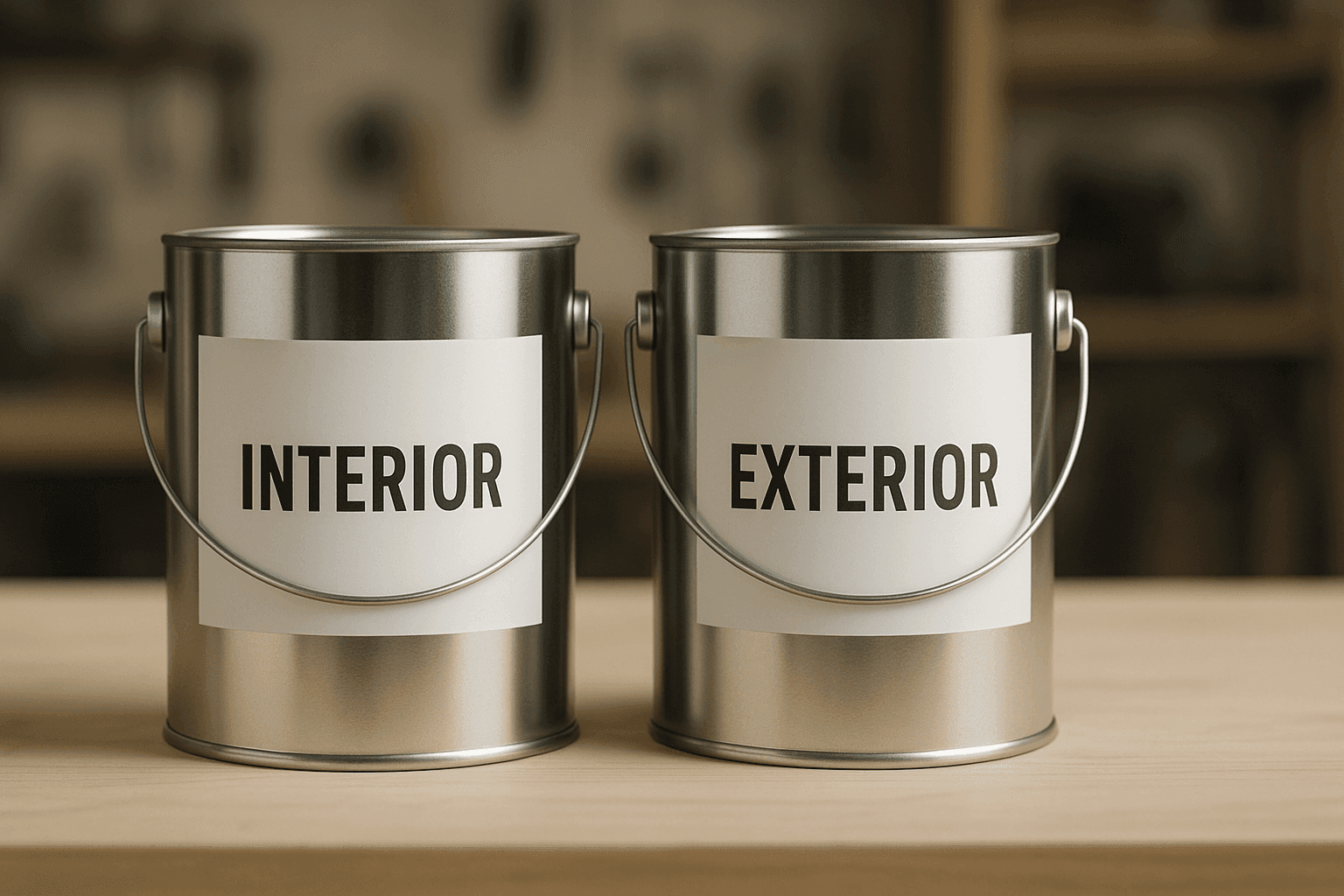
Painting your home is like choosing the right armor for a champion. Pick the wrong one, and you could be left with peeling, cracking, or faded walls—indoors or out. At Capital Painting, we've seen how the right choice sets the stage for years of beauty and protection.
Homeowners want vibrant Accent Walls near you, a deck that shines, or a front door that welcomes. But one simple mix-up—using interior paint outdoors or vice versa—can mean redoing the job far too soon. Let's break down the crucial differences so you can avoid costly mistakes and enjoy lasting results.
How Paints Differ: Chemistry, Durability, and Finish 🧪
Not all paints are created equal. The science behind each can is what makes them fit for their environment.
Ingredients: What's Under the Lid
- Interior paint is made for easy cleaning and smooth finishes. Think of it like a soft blanket—gentle but not meant to face harsh weather. Its binders, resins, and pigments are tailored for temperature stability and low odor.
- Exterior paint is the raincoat of paints. It's packed with flexible binders, mildewcides, and UV blockers. These ingredients help it stand up to sun, rain, wind, and temperature swings.
Durability: The Test of Time
- Interior paint handles scuffs, stains, and cleaning. But UV rays? Not so much.
- Exterior paint is built to flex and breathe. It resists fading and chalking, clings through storms, and shrugs off mildew.
Finish: The Look and Feel
- Sheen matters. Interior paints come in a spectrum: matte, eggshell, satin, semi-gloss, and gloss. Each offers a different vibe—cozy to dramatic.
- Exterior paints tend to favor satin or semi-gloss for easy cleaning and durability, but not every finish works in every climate.
Where to Use Each Type
Picture this: using a wool sweater in a thunderstorm, or a rain jacket to bed. Wrong fit, wrong result.
- Interior paint belongs on walls, ceilings, trim, and cabinets—places shielded from the elements.
- Exterior paint is for siding, decks, fences, garage doors, and outdoor furniture. It’s also the right choice for porch ceilings and even concrete steps.
Some projects—like garage floors and epoxy coatings—call for specialty paints designed for heavy wear or chemical resistance.
Dangers of Using the Wrong Paint
The risks aren’t just cosmetic.
- Interior paint outside: It will peel, blister, and fade fast. Moisture seeps in, mold may follow, and your hard work washes away.
- Exterior paint inside: Strong odors linger. Chemicals meant to resist mold and bugs can impact air quality, especially in homes with kids or pets.
Misapplication can also void manufacturer warranties, and in some cases, even violate local building codes.
Signs of Paint Failure
Spot problems early to save money and time. Look for:
- Peeling or bubbling: Paint lifting from the surface—a classic sign of moisture or wrong product.
- Cracking: Like old leather, the surface breaks down.
- Chalking: Fine white powder appears on the paint—usually from sun damage.
- Fading: Colors lose vibrancy, especially on south- or west-facing walls.
If you see these, it's time to act before more damage sets in.
Pro Recommendations from Capital Painting 🎨
Experience counts. Here are some practical tips:
- Always read the can. Labels spell out where and how to use the product, and what surfaces it suits.
- Surface prep is everything. Clean, dry, and sand as needed. Prime bare surfaces.
- Match paint to environment. For bathrooms, kitchens, or laundry rooms, use mildew-resistant interior paint. For surfaces exposed to sun and weather, choose the right exterior formulation.
- Check for lead. Homes built before 1978 may have lead-based paint. Removal is regulated—see the Environmental Protection Agency (EPA) for guidance.
When in doubt, ask for a color consultation or product recommendation. It’s better than a costly redo.
Quick Safety Checklist
- Test for lead in older homes (EPA, HUD guidelines).
- Use proper respiratory protection when sanding or stripping old paint.
- Ventilate the area—especially with solvent-based or exterior paints.
- Protect floors, furniture, and plants with drop cloths.
- Keep kids and pets away until surfaces are dry and fumes dissipate.
DIY or Call in a Pro?
Some painting jobs are perfect for a weekend warrior—Accent Walls near you, or a fresh ceiling in a bedroom. But for anything involving:
- Multiple stories
- Lead paint
- Exterior surfaces exposed to weather
- Complex finishes or specialty coatings
…it’s safer and smarter to call Capital Painting.
What Pros Do On Arrival
When our team steps onto your property, we:
- Assess surfaces for moisture, mildew, or structural issues.
- Test for old lead-based paint if needed.
- Prepare surfaces meticulously—power washing, sanding, priming.
- Select the right paint, finish, and tools for each job.
- Apply paint in controlled conditions for the smoothest, longest-lasting result.
We also stick to safety standards from OSHA and EPA, and use eco-friendly paints when possible.
Prevention & Maintenance
Paint is your home’s first line of defense. To keep it strong:
- Wash exterior surfaces annually (power washing helps).
- Touch up chips and cracks quickly.
- Repaint high-traffic or high-exposure areas every 5–7 years, depending on climate and paint type.
- Use specialty coatings—like epoxy or sealers—on garages, decks, and concrete.
Costs & Time Factors
Painting costs and time frames vary by project:
- Interior rooms: Often 1–3 days each, depending on prep and drying time.
- Exteriors: Can take up to a week for an average home, more if extensive prep is needed.
- Specialty work (cabinets, garage floors): May require extra days for curing.
Remember, proper prep and the right paint might cost a bit more upfront, but they save you from doing the job twice.
When It’s an Emergency
Sometimes, painting can’t wait:
- Water damage or mold
- Lead paint hazard (especially if dust is present)
- Large-scale peeling or exposed wood before a storm
In these cases, call for professional help. Fast action prevents bigger repairs down the line.
FAQ
Can I use exterior paint inside my home?
It’s not recommended. Exterior paints contain additives that can affect indoor air quality. Use products designed for interiors.
What happens if I use interior paint outdoors?
It will likely peel, blister, or fade quickly—sometimes within weeks. You’ll end up repainting far sooner than expected.
How do I know if my old paint is lead-based?
If your home was built before 1978, get it tested. EPA-certified pros can help with safe removal.
How often should I repaint exterior surfaces?
Most homes need a new coat every 5–10 years, depending on exposure and paint quality.
Local and Seasonal Considerations 🌦️
Weather matters. In humid or rainy climates, exterior paint needs to resist mildew and moisture. Dry, sunny regions need UV-blocking formulas. In our area, seasonal temperature swings can also affect drying times and durability.
Choose paints rated for your local climate, and always aim to paint during mild, dry stretches—never just before a storm or cold snap.
Give your home the protection and style it deserves. Call Capital Painting now — or reach us anytime at 855-592-8545 .