When to Hire a Pro for Lead Paint Removal: Safety & Legal Tips
Is your home hiding a dangerous secret beneath its painted walls? If you live in an older house, especially one built before 1978, lead paint could be lurking—posing real health risks to your family.
At Capital Painting, we meet homeowners every week who want to brighten up their space with Accent Walls near you or other painting upgrades. But sometimes, safety comes before color. Let’s talk about lead paint: how to spot it, why it matters, and when only a pro should step in.
What Is Lead Paint? 🏚️
Lead paint is exactly what it sounds like—paint that contains lead, a toxic metal once prized for its durability and vivid color. In the past, lead was mixed into paint for homes, furniture, and even toys. But as we learned more about its dangers, the U.S. banned lead in residential paints in 1978.
Yet, millions of homes still have layers of old paint. Underneath fresh coats, lead can sit quietly for decades—until sanding, chipping, or renovations send dust into the air. That’s when trouble starts.
Signs Your Home May Have Lead Paint
Wondering if your home is at risk? Here’s what to look for:
- Year Built: Homes built before 1978 are most likely to have lead paint.
- Peeling or Chipping Paint: Lead paint breaks into chalky chips, not powdery dust.
- Windows, Doors, and Trim: These high-friction areas are often first to show wear.
- Alligatoring: Cracked, patterned paint that looks like reptile skin can be a clue.
- Unusual Colors: Deep, rich hues in old layers may be lead-based.
If your home ticks any of these boxes, don’t panic. But do treat it seriously.
Health Hazards
Lead isn’t just another household hazard. It’s a silent thief of health—especially for children and pregnant women. Tiny flakes or dust can be breathed in or swallowed, often without anyone noticing.
Health risks include:
- Developmental delays and learning problems in kids
- Headaches, fatigue, and mood changes in adults
- High blood pressure, joint pain, and memory issues
- Damage to the brain, kidneys, and nervous system
Even small exposures add up over time. There’s no safe level of lead in the body, according to the CDC.
Legal Regulations
Lead paint isn’t just a safety issue. It’s a legal one. The U.S. Environmental Protection Agency (EPA) and Department of Housing and Urban Development (HUD) set strict rules for handling it.
Key regulations:
- Renovation, Repair and Painting (RRP) Rule: Any contractor working in homes built before 1978 must be EPA-certified for lead-safe practices.
- Disclosure Laws: Sellers and landlords must inform buyers/renters about known lead hazards.
- Proper Waste Disposal: Lead paint debris must be bagged and labeled for hazardous waste collection.
DIY lead removal can result in fines—and worse, put your family at risk. That’s why certified pros, like those at Capital Painting, always follow federal and state guidelines.
How Pros Safely Remove Lead Paint
Removing lead paint is not a weekend project. It’s a science. Certified professionals use special gear and steps to keep everyone safe.
Here’s what happens when you hire a pro:
- Assessment: Testing paint layers with kits or laboratory analysis.
- Containment: Sealing off work areas with plastic sheeting and HEPA filters.
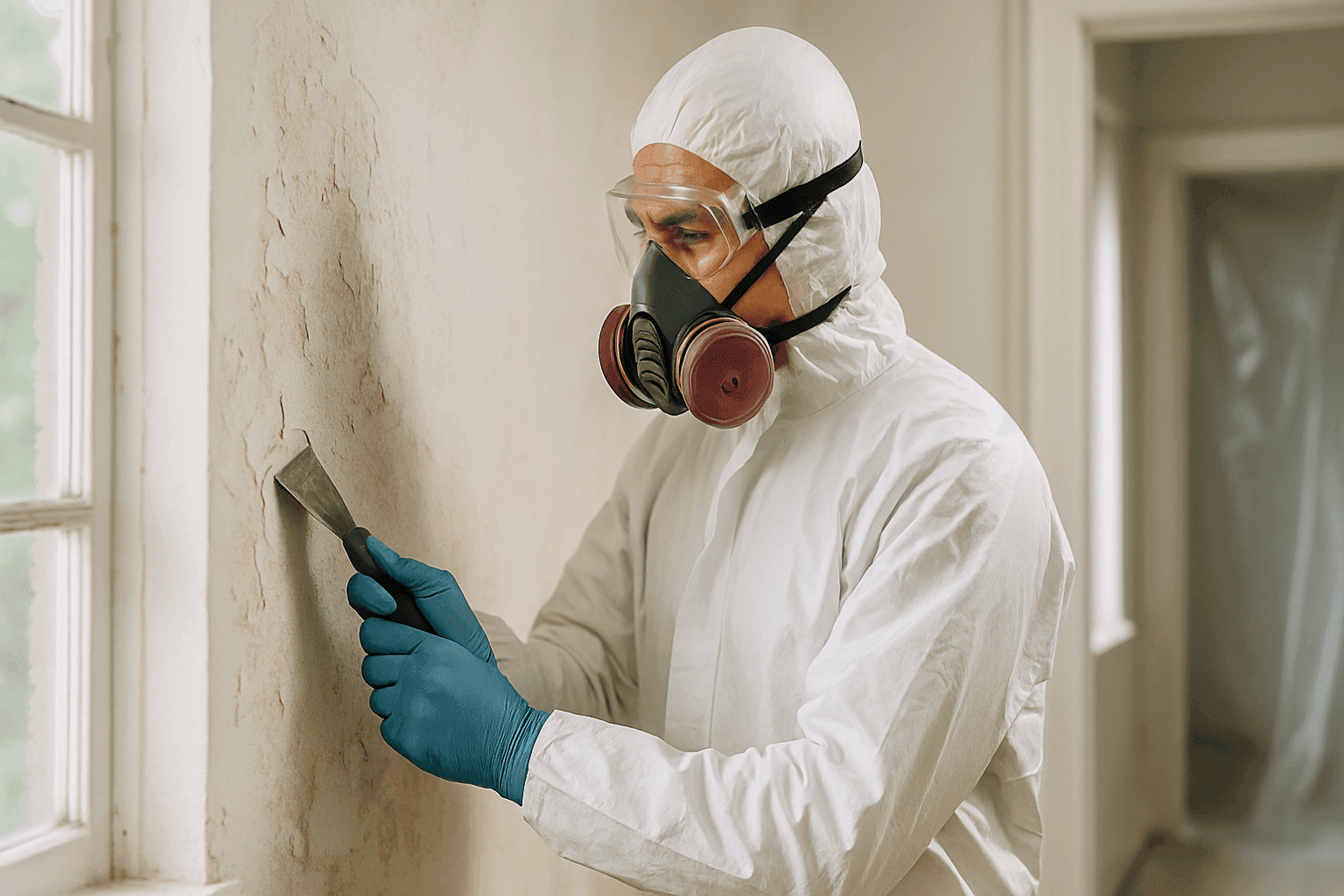
- Protective Equipment: Workers wear respirators, gloves, and disposable coveralls.
- Removal Methods: Wet sanding, chemical strippers, or specialized vacuums—not dry scraping, which releases dust.
- Cleanup: Thorough HEPA vacuuming and wet-wiping all surfaces.
- Waste Disposal: Bagging and removing debris per EPA and local rules.
Certified contractors are trained to meet—or exceed—EPA’s Renovation, Repair, and Painting (RRP) standards. This isn’t just about ticking boxes. It’s about protecting your home, your health, and your peace of mind.
Quick Safety Checklist
Before tackling any painting or renovation in an older home, run through this list:
- Was your home built before 1978?
- Is there cracking, peeling, or chalky paint?
- Are children, pregnant women, or pets present?
- Have you checked for EPA certification if hiring a contractor?
- Do you have proper respirators, plastic sheeting, and HEPA vacuums?
- Have you reviewed local and federal lead paint regulations?
If you’re unsure about any point, it’s time to call a pro.
DIY vs. Call a Pro
It’s tempting to save money with DIY projects. But with lead paint, the risks often outweigh the rewards.
DIY is NOT safe if:
- You don’t have proper safety equipment.
- You’re unsure about local disposal rules.
- Children or pregnant women live in the home.
- You don’t have training in lead-safe work practices.
When in doubt, bring in a certified professional. The stakes are simply too high.
What Pros Do On Arrival
When Capital Painting arrives at your door, here’s what you can expect:
- Site Inspection: We assess all painted surfaces, looking for signs of lead.
- Testing: Using EPA-recognized kits or sending samples to a lab.
- Safety Setup: Sealing rooms, setting up warning signs, and prepping equipment.
- Method Selection: Choosing the safest removal process for your home and family.
- Constant Cleanup: Regularly removing dust and debris during the project.
- Final Inspection: Ensuring no hazardous dust remains and all waste is safely handled.
Prevention & Maintenance
Don’t wait for a problem to appear. Regular maintenance can keep lead paint hazards at bay.
- Keep painted surfaces in good condition. Touch up chips or cracks promptly.
- Clean floors and windowsills regularly. Use wet mops and cloths—never dry sweeping.
- Check play areas. Make sure children can’t access peeling paint or chewable surfaces.
- Seal old paint with new, high-quality coatings. This isn’t a permanent fix, but it buys time until full removal.
Costs & Time Factors
Lead paint removal is an investment in your family’s future—but it’s not free or quick. Several factors affect price and timeline:
- Size of area: More square footage = higher cost.
- Location: Trim and windows are trickier than flat walls.
- Access: Tight corners or high ceilings take more time.
- Type of finish: Accent Walls near you with intricate designs may need extra care.
- Extent of damage: More chipping means more containment and cleanup.
On average, professional removal can take several days to a week for a single room or small home area. Larger projects may run longer. Always get a written estimate from a certified contractor.
When It’s an Emergency
Some situations can’t wait:
- Visible dust or chips after renovations
- Children showing symptoms of lead poisoning
- Major damage or flooding exposing old paint
- Renovations planned in a home with known lead paint
If any of these apply, stop work immediately and call a certified lead paint removal company. The faster you act, the safer your home will be.
FAQ
Q: Can I just paint over lead paint?
A: You can temporarily “encapsulate” lead paint with special coatings, but this isn’t a permanent solution. Damaged or high-traffic areas will need professional removal.
Q: What if I rent my home?
A: Landlords are legally required to address lead hazards. Tenants should report any chipping or peeling paint to the owner promptly.
Q: Does all old paint contain lead?
A: Not all, but many paints used before 1978 did. Testing is the only way to know for sure.
Q: How do I find a certified contractor?
A: Look for EPA Lead-Safe certification. Capital Painting’s team meets all federal and state requirements for safe removal.
Local/Seasonal Considerations 🌦️
Weather and climate matter. Rain or humidity can slow down drying times for new finishes and make containment harder. In colder months, windows may stay closed—raising the stakes for indoor air quality. Always plan for lead paint removal during mild, dry weather if possible.
Homes built before 1978 are sprinkled across neighborhoods old and new. Even if you live in a recently updated house, a hidden layer may be waiting beneath. When in doubt, have your home checked before starting any painting or Accent Walls near you.
Protecting your family—and your investment—starts with one call. When safety matters most, let Capital Painting take the lead on lead paint removal.
Call Capital Painting now — or reach us anytime at 855-592-8545 .